
Published February 27, 2024
A Greener Tomorrow: Sustainable Living Projects for Your Home

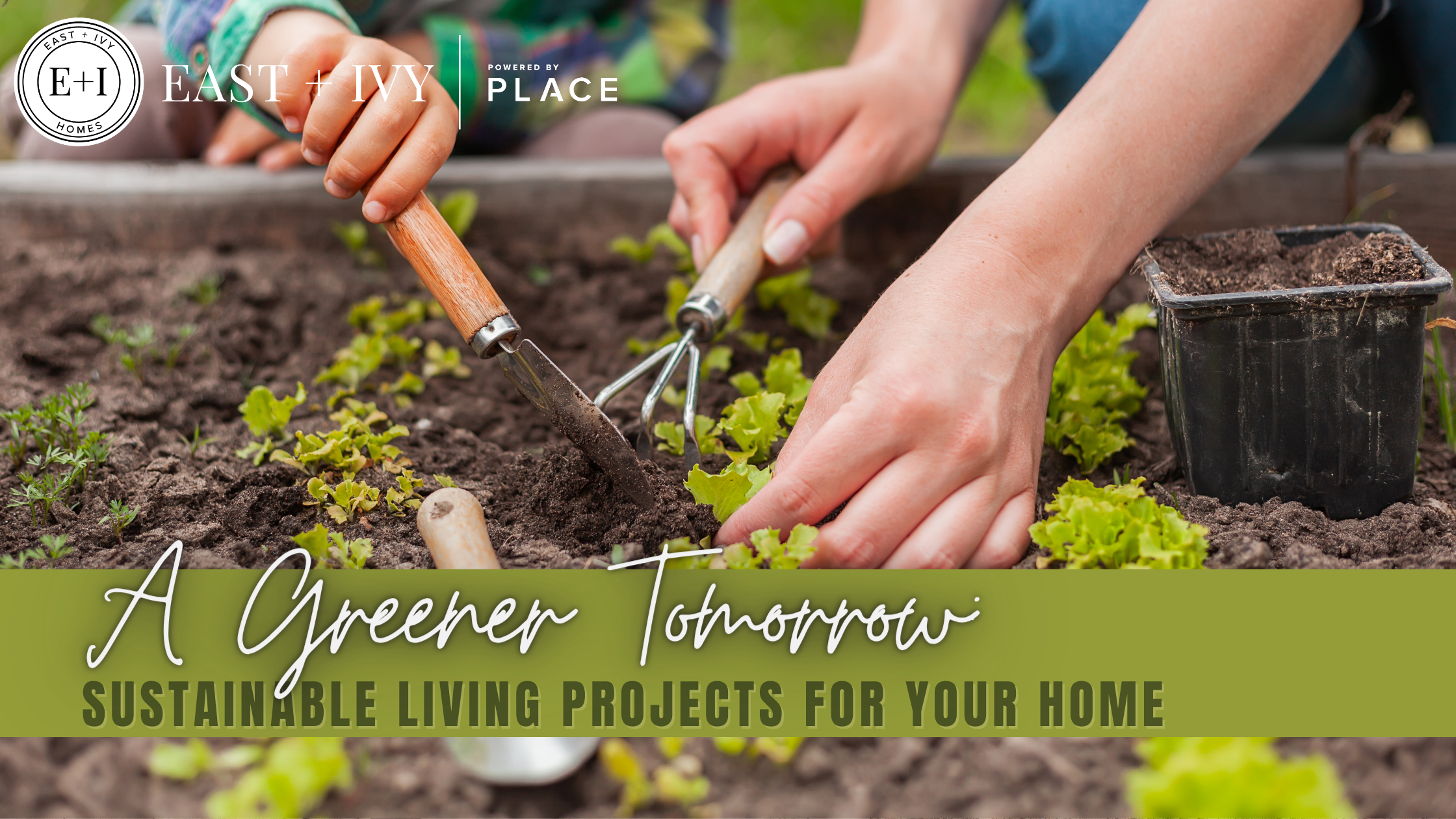
In today's world, where environmental sustainability is becoming increasingly important, homeowners seek ways to make their living spaces more eco-friendly. From reducing energy consumption to minimizing waste, there are numerous home projects that can contribute to a greener lifestyle. As a real estate company committed to promoting sustainable living, we've curated a list of home projects to enhance green living and sustainability.
Upgrade to Energy-Efficient Appliances
One of the most impactful changes you can make regarding sustainable home improvements is upgrading to energy-efficient appliances. Old appliances are major energy hogs, fueling more electricity and water than necessary. By transitioning to energy-efficient models, such as refrigerators, washing machines, and dishwashers, you reduce your carbon footprint and significantly trim down your home's energy consumption.
Opt for appliances with Energy Star ratings, a certification that guarantees adherence to strict energy efficiency standards. These appliances are designed to operate more efficiently, saving energy and money over time. While this recommendation might not come as a surprise, the benefits are substantial. If you're due for a replacement of any of the following appliances, consider investing in energy-efficient models: refrigerator, washing machine, dryer, heating/cooling appliances, television, water heater, and ceiling fans.
The smart thermostat is one particular upgrade that can make the most significant impact, which is revolutionizing how we control indoor temperature and energy usage. These programmable devices learn your heating and cooling preferences over time and adjust settings automatically to maximize energy efficiency. Additionally, smart thermostats can be controlled remotely via smartphone apps, allowing you to monitor and adjust your home's temperature from anywhere.
Despite potentially higher upfront costs, opting for energy-efficient appliances can provide long-term savings on energy bills and should quickly offset the price difference.
Harness The Power of Solar Energy
Along with upgrading appliances, embracing solar energy presents one of the most impactful opportunities for homeowners to reduce their carbon footprint while enjoying long-term savings on electricity bills. Installing solar panels on your roof is a powerful way to tap into clean, renewable energy to power your home, thereby reducing reliance on fossil fuels.
However, solar panels are just the beginning of the solar revolution in sustainable home improvements. With advancements in technology and affordability, a range of solar-powered appliances and systems have become accessible to homeowners, including the following:
Solar Panels: The cost of solar panels has plummeted by more than 70% over the last decade, making them a more financially viable option for many homeowners. While solar panels still have a significant initial investment, their long-term benefits make them a compelling choice for reducing environmental impact and energy bills. It's important to note that solar panels may not be suitable for every home due to factors like shading and roof orientation.
Solar Attic Fans: Particularly beneficial in warm climates like those in the U.S. Sun Belt region, solar attic fans offer a simple and cost-effective solution to combating heat buildup in attics. These fans, powered by solar energy, efficiently ventilate the attic space, preventing heat from infiltrating other home areas and potentially damaging insulation and roofs. Solar attic fans require minimal maintenance and operate without drawing energy from the home's electrical grid.
Solar Water Heaters: Water heating typically accounts for a significant portion of residential energy usage. Solar water heaters offer a sustainable alternative by harnessing sunlight to heat, store, and insulate water for household use. This technology can substantially reduce energy consumption and associated costs while providing hot water on-demand, contributing to a more eco-friendly and cost-effective home.
Outdoor Solar Lights: Say goodbye to cumbersome extension cords and energy-consuming outdoor lighting solutions. Solar-powered outdoor lights offer a convenient and environmentally friendly alternative for illuminating pathways, gardens, and other outdoor spaces. With options ranging from string lights to floodlights, these fixtures harness sunlight during the day to recharge lithium batteries, ensuring reliable illumination throughout the night.
Start Composting Your Organic Waste
Rather than sending organic waste to the landfill, why not start a composting system right in your backyard? Composting offers a simple and effective way to recycle kitchen scraps, yard waste, and other organic materials, transforming them into nutrient-rich compost that can work wonders for your garden soil (and if you don’t have a garden yet, that’s next on our list).
Did you know that food scraps and yard waste account for over 30% of what we throw away? With the U.S. producing nearly 300 million tons of waste annually, finding ways to reduce, reuse, or recycle this waste can have significant environmental benefits.
By starting a compost bin, you can divert this organic waste from landfills and instead turn it into valuable organic material that enhances soil fertility and promotes plant growth. Compost is essentially nature's recycling program, where items like banana peels and used coffee grounds decompose into a rich, nutrient-packed soil amendment.
However, the benefits of composting extend far beyond waste reduction. Here are some additional advantages:
Healthier Soil: Compost enriches the soil with essential nutrients, organic matter, and beneficial microorganisms. This improves soil structure, aeration, and moisture retention, creating an optimal environment for plant growth. Healthy soil contributes to more robust and resilient plants, which can better withstand pests, diseases, and extreme weather conditions.
Reduced Need for Chemical Fertilizers: By nourishing the soil with compost, gardeners can reduce their reliance on synthetic fertilizers, pesticides, and herbicides. Compost provides a natural and sustainable source of nutrients, helping maintain soil fertility without the harmful environmental impacts of chemical inputs.
Carbon Sequestration: Composting helps to mitigate climate change by sequestering carbon in the soil. As organic matter decomposes, it releases carbon dioxide (CO2) into the atmosphere. However, composting organic waste instead of sending it to landfills prevents the release of methane, a potent greenhouse gas produced during anaerobic decomposition. Additionally, compost-amended soil acts as a carbon sink, storing carbon and offsetting CO2 emissions.
Water Conservation: Healthy soil enriched with compost has improved water retention capacity, reducing the need for irrigation and conserving water resources. This is particularly beneficial in regions prone to drought or where water scarcity is a concern.
Start Your Own Home Garden
Growing your own fruits and vegetables at home is rewarding and environmentally friendly. By starting a vegetable garden in your backyard, you can reduce your reliance on store-bought produce, which often travels long distances and contributes to carbon emissions. Additionally, homegrown produce is free from harmful pesticides and chemicals, promoting healthier eating habits, you can put that compost pile to good use, and home gardens have the following additional benefits:
Improved Air Quality: Plants act as natural air purifiers, absorbing carbon dioxide and pollutants while releasing clean oxygen. This enhances air quality and creates a fresher and healthier environment for you and your family.
Soil Health and Erosion Prevention: Gardening helps reduce erosion and improve soil health by promoting vegetation growth. Healthy soil is essential for plant growth and ecosystem stability, making gardening a vital tool in soil conservation efforts.
Support for Pollinators: Pollinators like bees are crucial in maintaining ecosystem health and biodiversity. By incorporating pollinator-friendly plants into your garden, you provide essential habitat and food sources for these vital creatures, helping to support their populations in the face of habitat loss and environmental challenges.
Increased Property Value: A well-designed garden can significantly enhance the value of your home. Curb appeal, improved air quality, and increased biodiversity all contribute to homes with strategic landscaping selling faster and commanding higher prices on the market.
Health and Well-Being Benefits: Gardening has been shown to reduce stress, improve heart health, lower blood pressure, and promote overall well-being. Simply spending time in a garden or green space can profoundly affect mental and physical health, providing a sanctuary for relaxation and rejuvenation.
Connection with Nature: Perhaps most importantly, gardening fosters a deeper connection with the natural world. Growing your own food not only provides delicious and healthy ingredients for meals but also instills a sense of satisfaction, confidence in the quality of your products, and a profound appreciation for the wonders of nature.
Enhance Home Efficiency: Insulation, Window, & Door Upgrades
Ensuring proper insulation and sealing windows and doors are essential to creating a more sustainable and energy-efficient home environment. These improvements not only save money on utility bills but also promote greater comfort and well-being within the home and help reduce your home's environmental impact.
Improve Home Insulation: Proper insulation is crucial in maintaining a comfortable indoor temperature year-round while minimizing energy waste. Upgrading insulation in key areas such as walls, attic, and basement helps prevent heat loss during the winter and keeps cool air trapped indoors in the summer. By investing in insulation upgrades, homeowners can enjoy enhanced comfort while lowering their energy bills and reducing overall energy consumption.
Upgrade or Seal Windows and Doors: Windows and doors are significant sources of energy loss in homes, with the U.S. Department of Energy estimating that 30% of home energy is lost through windows alone. Drafty doors also contribute to energy waste, allowing heated or cooled air to escape. Energy-efficient windows are designed to minimize heat transfer, keeping conditioned air inside the home and reducing the need for heating and cooling. For homeowners not ready to invest in window replacements, simple upgrades like resealing with weather stripping, caulking, or utilizing door snakes can improve efficiency and reduce drafts.
Adopting sustainable living practices not only benefits the environment but also enhances the quality of life for homeowners. By undertaking one or all of the above projects, you can take meaningful steps towards reducing your environmental footprint and creating a greener, more sustainable home. We encourage all homeowners to explore these ideas and positively impact the planet.

Nicole Canole
CEO|REALTOR | East + Ivy Homes | Keller Williams Metro Center | PLACE
or another way